
the cabin game Find the Exit Before 12
Identify the correct room from evidence, then reach it before the monster pawn does.
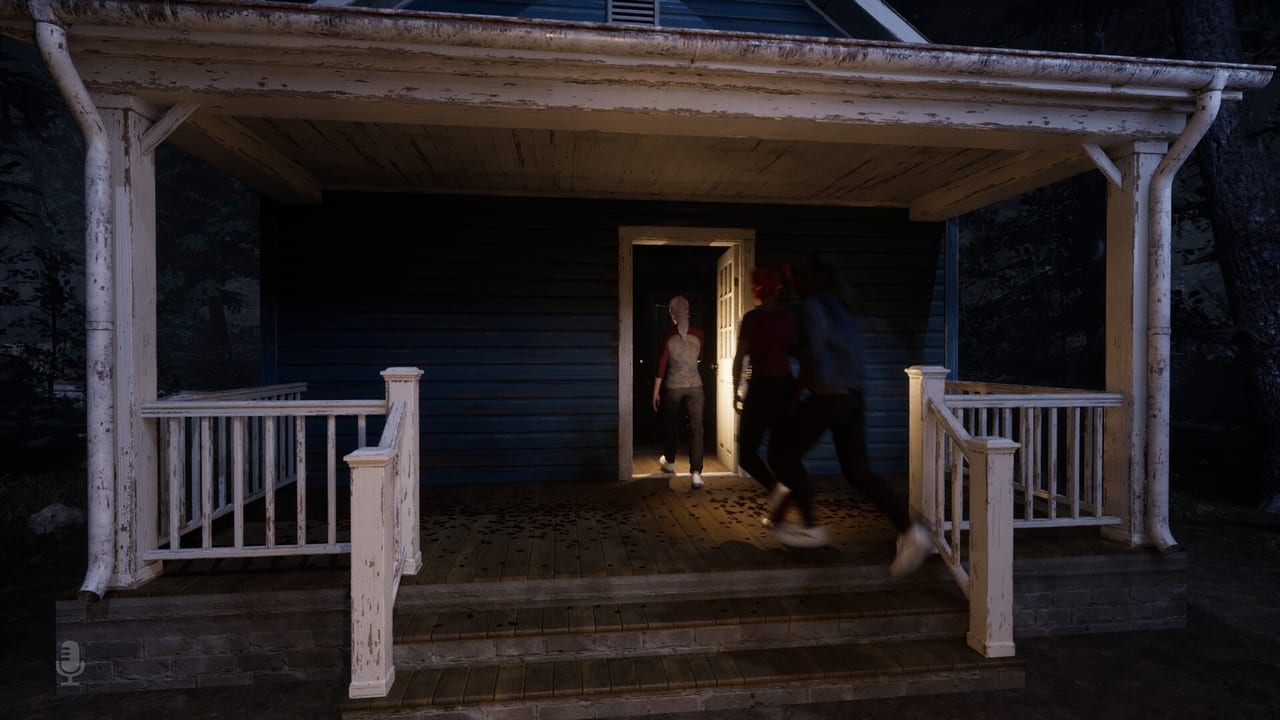
Escaping the cabin game is not a key hunt. Twisted Corridor’s Early Access build on Steam Windows asks you to identify one correct room from investigation evidence, then be inside that room before two independent clocks kill the run: the table clock hitting 12, and the monster pawn catching the player pawn. If you only remember one sentence from this page, remember that. Everything else — Room Cards, Event Cards, Lifesavers, co-op yelling — exists to buy enough time to name the room and walk into it.
The game entered Early Access on 27 August 2026. It supports 1–4 players, solo or online co-op. English is the only interface and full audio; localization is planned. You will not get a polished tutorial that shows what a finished clue set looks like. That is why first runs feel like the rules are hidden in another cabinet. They are not. The rules are on the table, and the table is easy to ignore while someone is chasing you.
What counts as a win
A successful run ends when the group (or the solo player) has used Investigation Cards, recorded presence and absence of objects in a notebook, and committed to the room that matches that evidence. Then you enter that room. If the ghost is already on you in 3D space, that same correct room is still the escape — sprinting into The Cellar because it is nearby will not save you if The Cellar is not the identified exit.
Two fail states sit next to that win:
- The clock around the round table reaches 12.
- The monster marker on that same track catches the player marker.
Lifesaver Cards push the monster marker away. Progress Cards and failed events pull it closer. Time-skip cards jump the clock; solo players already complain they see too many of those and bleed into two-hour sessions that still collapse at 11. Treat Lifesavers as insurance for the identification window, not as a substitute for investigation.
Why the correct room is the whole puzzle
Investigation is closer to Phasmophobia than to a traditional escape-room padlock. Evidence appears in rooms depending on whether objects exist there. A grandfather clock is the clean example: some clues only make sense if a clock of that kind is in the cabin you built. If nobody placed a room that can hold it, the absence is itself data. You log both presence and absence. Guessing from vibes is how groups walk into the wrong Living Room at 11:50 and wipe.
The notebook is the run. If you are not writing, you are hoping. Use the clue notebook page as a template if the in-game sheet feels thin, and keep Clues open the first few nights until the evidence language clicks. Press M; the in-game tip layer exists, and a lot of players still miss it while they argue about sofas.
Build a cabin you can actually search
You cannot identify a room you never built, and you cannot search a cabin that is a knot of dead ends. Open with Room Cards. Known spaces in the current build include The Cellar (barrels), The Living Room (sofa), The Kitchen (fridge), The Farmer’s Ranch (tools), The Garden Shed (hook/scythe), and hallways. They must connect. A loop or a readable corridor pays off when Event Cards later spawn a chase on the far side of the house.
Room placement has late-game consequences. A Farm annex hanging off one doorway looks efficient at 3 o’clock and becomes a trap when you need to cross it under a monster. Musical rooms can park a giant monkey in a hallway. Neighbour events drop darkness. Attic Stalker wants space to run and totems you can now drop after the First Round Patch. Layout is not decoration; it is the terrain of the last ten minutes. Room layout is the dedicated page.
Player consensus from Early Access nights is consistent: unlock rooms first, keep them connected, prefer a loop, then spam investigation. Do not stall. Stalling feels safe because the pawns are still apart. Event Cards do not care. They can spawn the threat across the map you were so proud of.
Investigation over stalling
Once the floor plan is walkable, Investigation Cards are the main engine. Walk the rooms. Look at objects. Record what is there and what is missing. The correct escape room is the one that matches the full pattern, not the one that matched the first two ticks. If co-op, split: one player watches the table clock and calls pawn movement, the others hunt. Co-op covers the job split and the final-hour choice of escaping together, dying together, or every player for themselves.
Winning an Event Card minigame often has no reward. Losing always has a cost: the ghost moves closer. That asymmetry is why you do not pick Event Cards for fun during the identification window unless the alternative is a Progress Card that is worse. When an event does hit, survive it as fast as possible — Survive Events — and get back to the notebook.
When the ghost is already in the hallway
If the 3D chase has started, stop shopping for new rooms. You either know the exit or you are buying seconds with a Lifesaver and a prayer. Path toward the identified room. Do not duck into a random closet. Do not reverse through the monkey hallway unless that is the only connection you left yourselves. Chase speed was reduced in the First Round Patch, Attic Stalker is more forgiving, and AI unstuck work landed, but none of that identifies the room for you.
If you do not know the room yet and the monster pawn is about to tag the player pawn on the table, the run is already in overtime. A Lifesaver can shove the table threat back. It cannot invent evidence. That is the difference between a clutch and a wipe, and it is why investigation has to start before the cabin feels dangerous.
Clock 12 versus the monster pawn
Watch both fail states. Groups fixate on the analog clock and ignore the monster marker, or they panic at a nearby chase and miss that the table clock is one play from 12. Assign a caller in co-op. Solo players have to glance at the table every time they sit down. The First Round Patch added a clock audio slider after the tick was painfully loud; use the slider so you can think, then still look at the pawns. Audio is not a substitute for vision.
Time-skip cards are a special trap in solo. They eat the identification window. If the deck keeps feeding them, play what you must, then get back to investigation immediately. A two-hour run that never commits to a room is not a careful run. It is a stall that Event Cards will eventually punish.
When you are ready to leave, go together if you can. The store copy is explicit about the final hour: escape together, die together, or every player for themselves. The correct room still has to be the correct room. Coordination does not override evidence.
For card odds and event lists, use the Cards Hub and event cards. For monster behaviour, use the Monsters Hub. For the first-session habits that make this page usable, go back to Getting Started.
Frequently Asked Questions
Quick answers about cards, clues, monsters, and escaping the cabin.
What do I have to do to escape?
Identify the correct escape room from investigation evidence, then enter that room before the clock hits 12 and before the monster pawn catches the player pawn. Clues explains how evidence is logged.
If the ghost catches me in a hallway, can I hide in any room?
No. When the ghost catches you in 3D space, entering the correct room is the escape. A nearby Cellar or Kitchen will not work if it is not the identified exit.
Should I stall the clock until I am sure?
No. Stalling is weak because Event Cards can spawn the threat across the cabin. Unlock connected rooms, then investigate. Save Lifesaver Cards for the moment the monster pawn is about to tag you.
Why does room placement matter so late?
Early doorways become chase terrain. A dead-end Garden Shed or a monkey-blocked hall can trap you at 11 o'clock. Plan a loop on room layout.
Does winning a minigame help me escape?
Often there is no reward for winning. Losing still pulls the ghost closer. Survive the event, then return to investigation. See Survive Events.
Is the escape different in co-op?
The room identity is the same. The final hour is the social choice: escape together, die together, or every player for themselves. Job splits are on Co-op.