
the cabin game Clue Notebook
A paper-and-chat method for object-dependent clues when the in-game tutorial is not enough.
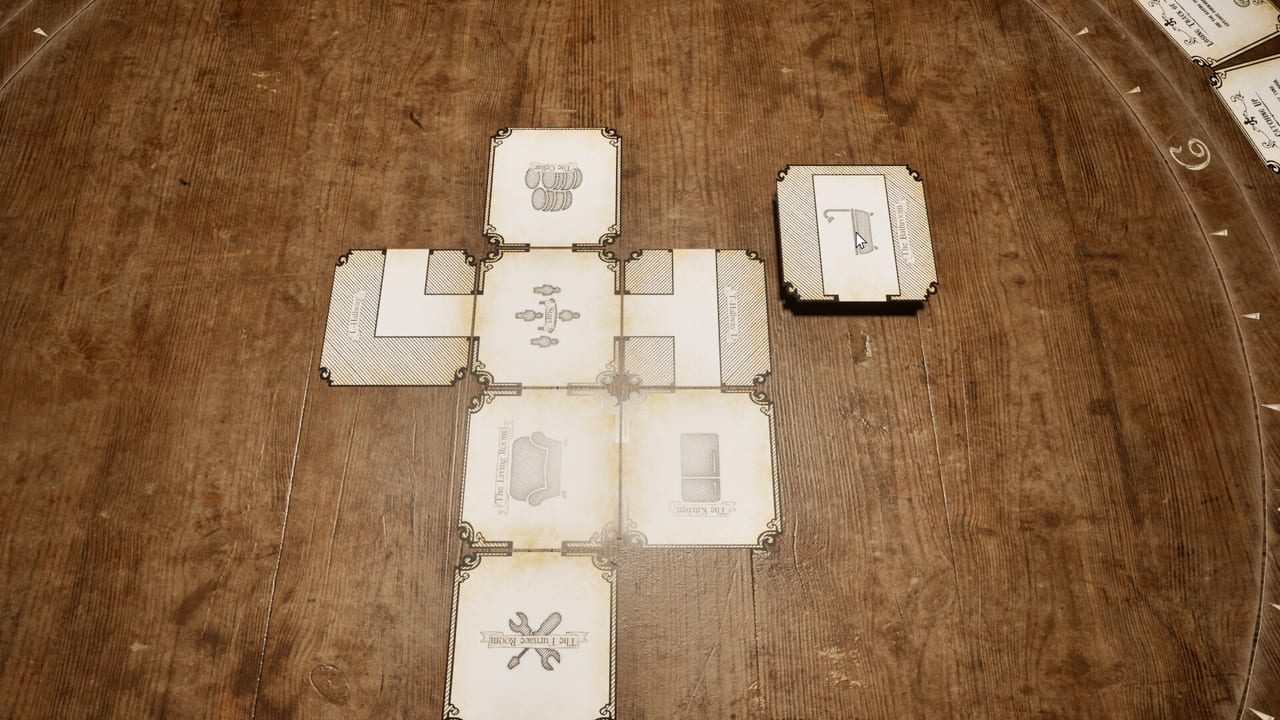
the cabin game hides the exit in clues, and those clues often live on specific objects in rooms you placed yourself. Cards unlock the chance to see them. The cabin then decides whether you actually looked at the right prop. That object-dependent layer is why groups stall, why solo players hammer time-skips, and why the in-game tutorial has been a player pain point since Early Access began on 27 August 2026.
This page is a logging method, not a spoiler list. For the hunt itself — where to look, how cards relate to furniture, how a layout choice hides a tell — use the clue hunting guide. For binds while you search, use the control layout. For first-hour pacing, use the beginner walkthrough. The notebook is what you keep open so the next death is not “we forgot the painting.”
Why a notebook exists
A session shuffles 30+ cards. Twelve monsters can interrupt. Co-op adds three other memories that will confidently misremember a bathroom cabinet. Solo adds nobody to contradict you. The First Round Patch added extra gameplay tips, which helps, but tips are not a log. They vanish. A neighbour event or a chase will wipe the sentence from your head.
Object-dependent clues mean the same card can be a waste if you search the wrong prop. “Search the kitchen” is not a clue. “Kitchen, second drawer, blue tin, after the event card that rattled cupboards, seen by Maya” is a clue. If your table writes the first kind of sentence, you will loop the room, burn a skip, and blame the game for a tutorial the studio has not finished rewriting. That rewrite is not on the First Round Patch list. Unique progress cards on the roadmap might eventually teach better. Until then, you write.
The four-field log
Every useful line has four fields:
- Room — the space as you placed it or as the cabin labelled it. “Upstairs hall toward attic,” not “somewhere red.”
- Object — the prop. Drawer, cabinet, painting, clock, tin, totem, popcorn ball, bed, toilet tank. If two drawers exist, number them from the door.
- Card or trigger — the hand or event that made the object matter. If you do not know the card name, write the effect: “lights strobed,” “music started,” “neighbour knock.”
- Witness — who actually saw it. In co-op this stops two people from searching the same cabinet. In solo this is just “me,” which still helps when a chase hits and you return to the wrong room.
Optional fifth field: still true? Some cabin changes invalidate a prop. If a room shifts after an event, mark the old line instead of deleting it. Wrong history is data. You may need it when a later card refers to something you already stripped.
Object-dependent, not vibe-dependent
Search with your hands, not with a genre feeling. If a card implies music, the musical room now wants popcorn balls after First Round — log the balls as objects, not “the vibe got loud.” If a card implies hiding, open the furniture the AI also gets stuck on. Drawers and cabinets were pathing traps; the patch unsticks monsters there, but the props are still where evidence lives.
Totems are droppable after First Round. A dropped totem is an object. Log the drop the same way you log a drawer: room, object “totem on floor by nightstand,” trigger “hands full during chase,” witness. Someone will assume you still hold it. The notebook is how you prevent that wipe.
Clues that only appear after you sit, crouch, or look behind a door are still object-dependent. Sitting now lets you rotate the camera, so a sitter can witness a prop without standing. Put the sitter’s name in the witness field. If nobody sat, write that too; “we never sat in the study” is a finding.
Co-op: one scribe
Four people talking over a hunt will not keep a clean log. Assign a scribe. The scribe does not have to be the best searcher. They have to be the person who can type or write while others move. Call format in voice: “Study, left cabinet, cracked photo, after the neighbour card, Jules saw it.” The scribe repeats the line once. If the line is not repeated, it did not happen.
Do not put the only copy in a dying player’s head. If the scribe is being chased, they drop the totem, they do not drop the notebook. Use chat, a shared doc, or paper on the real desk. Candy, pets, and tricks ‘n treats in the Boo Factory will not remember the cabinet for you.
Solo: stop skip-spamming the gap
Solo pain is time-skip spam when a puzzle stalls. The skip is not a clue. Use one skip after you have logged every object in the current room and one adjacent room. If the log is empty, you did not stall; you did not look. Walk the four fields. Then skip. The extra gameplay tips from First Round will occasionally name a verb you skipped past. Leave tips on in solo until this method is boring.
What the tutorial still does not do
Players report a poor clue tutorial. That matches a game whose exit is “use the hands you are dealt to unlock clues hidden throughout the cabin.” Teaching that in one hallway is hard. This wiki will not pretend a fan notebook is official. It will also not wait for localization or achievements to make the teaching better. Those are roadmap items. English interface and full audio are what you have now.
If a tip on screen and your notebook disagree, trust the current build, then confirm on the clue hunting guide. Patch days can change musical-room props (popcorn balls) and monster collision (monkey in narrow halls). Update the object names on those days. Do not copy a streamer’s log from before First Round.
A clean line versus a useless line
Useless: “Clue in bathroom.”
Useful: “Bathroom, tank lid, folded paper, after the card that flooded the sink, witness Sam, still true after chase.”
Useless: “Attic bad.”
Useful: “Attic, trunk latch, hair ribbon, no card, found while sprinting (stalker more forgiving after patch), witness host.”
Useless: “We already looked.”
Useful: “Kitchen, drawers 1–3 empty, drawer 4 unopened, monkey was in the hall so we bounced, come back.”
Keep the card rankings in another tab if you need to remember which event types exist. Keep player roles if you split searcher and caller. Keep settings if you cannot hear the drawer because the clock is still on master. The notebook cannot fix a mix or a GTX 970 hitch; it can only save the fact you already paid for with a death.
When the run ends, screenshot or save the log. The next shuffle will not reuse every object, but your table will reuse the same sloppy sentences unless you show them the four fields once. That is the whole tool.
Frequently Asked Questions
Quick answers about cards, clues, monsters, and escaping the cabin.
Is there an in-game notebook I should use instead?
Use whatever the current build gives you, then keep an external four-field log anyway. The in-game tutorial is a known weak teacher, and tips disappear after the event.
What does object-dependent mean here?
A clue is tied to a specific prop in a specific room, often after a specific card. Searching the right room is not enough if you never opened the right drawer.
Where is the actual hunting route?
On the clue hunting guide. This page is the log format. That page is where to look and how cards interact with furniture.
Should solo players skip when stuck?
Only after the current room and one neighbour room are logged. Skip spam is a reported habit; it does not create evidence.
Do patches change what I should log?
Yes. First Round added popcorn balls in musical rooms and droppable totems. Update object names when patch notes mention props.