
the cabin game How the Round Table Actually Works
Dining Room start, turns, the clock track, and when you must stand up.
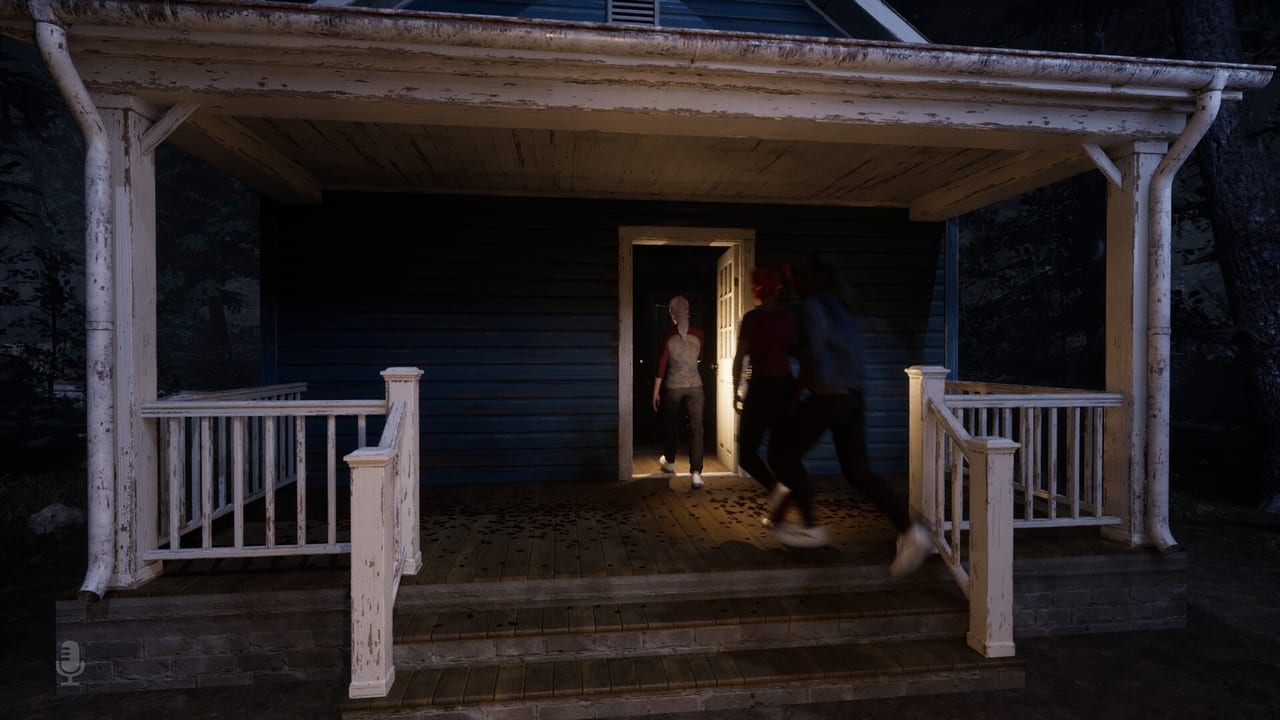
Most first wipes in the cabin game are not monster problems. They are table problems. You sit, someone plays a card they did not read, the cabin mutates, and four people stand up into a hallway that did not exist ten seconds ago. This page is the missing rule sheet for the round table: where you begin, whose turn it is, what the clock track is doing while you talk, and why standing up is part of the rules rather than a cutscene.
Twisted Corridor’s Early Access build on Steam Windows entered Early Access on 27 August 2026. It is 1–4 players, solo or online co-op, English interface and full audio. Press M for in-game tips — the 2nd wave of bug fixes added more of them and asked you to reread the ones you already skipped. The in-game manual also got a wording pass in the Optimization Update. Treat this wiki as a field guide beside those tips, not a replacement for them.
The Dining Room is the starting room
The 2nd wave of bug fixes made this explicit on the table: the Dining Room is the starting room. You do not begin in a mystery wing. You begin at the round table in the Dining Room, with a clock/track on the rim and a hand of cards. Every Room Card you play after that snaps a new space onto that origin. If your group still argues about “where do we spawn,” look at the table art. The studio put the answer there because people were treating the first hallway as a lobby.
That origin matters for room layout. A Cellar off the Dining Room is a short walk back to the table. A Garden Shed three dead-ends away is a commute when an Event Card fires. Place rooms as if you will need to sit again after every scare.
Sit, play, stand — that is the turn
A turn is not “draw, think, pass.” A turn is:
- Sit so you can see the hand, the clock, and the monster pawn.
- Play a card that actually advances the run — usually a Room Card or an Investigation Card, not an unread Event Card.
- STAND UP when the card asks you to walk the cabin: search an object, survive a minigame, or check whether the room you just placed even has a door.
- Sit again before the next player dumps a Progress Card into a table nobody is watching.
Controls covers the binds. This page covers the social rule: someone stays seated. In co-op, that is the table caller from the co-op split. In solo, you are both jobs, which is why time-skip cards feel so loud. If everyone stands up, the clock track is a silent fail state.
Sitting camera rotation was patched in First Round so you can look left and right without standing. Use it. A tell behind you is still a tell.
The clock track is two fail states
Around the rim, a player pawn and a monster pawn share a track. The run ends if the clock hits 12 or if the monster marker catches the player marker — unless you have already entered the correct escape room. How to escape is the commit. Clues is how you know which room. The table’s job is to keep those two pawns from meeting while you gather that evidence.
Card families move those pawns. Card types is the taxonomy: Room Cards place space, Investigation Cards feed the notebook, Lifesaver Cards shove the monster back, Progress Cards shove it forward, Time-skip cards eat the clock, Event Cards yank you into 3D. You do not need to memorize every title. You need to know which family you are holding before you spend it.
The First Round Patch added a separate audio slider for the ticking clock. Use it. A clock that drowns footsteps is not atmosphere; it is a missing tell. Details live on settings.
What a card actually does to the cabin
Hands are dealt from a shuffled 30+ card pool. The same title will not land in the same order next run. That is the point of Early Access variety, and it is why stalling feels safe and is not. An Event Card can spawn across the map you were so proud of. Play rooms until you have a loop. Then investigate. Then respect events. The Cards Hub is the shopping list; this table page is the posture.
When you play a Room Card, walk the new doorway once before you celebrate. A snap that looks connected from the table can be a one-way lip in first person. When you play an Investigation Card, leave the table and look at the object, not the vibe. A grandfather clock that is missing is evidence. A fridge that is present is evidence. Write both in the clue notebook.
When you play an Event Card, assume a loss pulls the ghost closer and a win often pays nothing. That tax is why you do not greed events on a blank notebook. Survive events is the field list. The Knight is the long-turn event the 2nd wave shortened because it was stalling tables.
Turns that stall the lobby
Twisted Corridor posted a news note for groups who could not start a turn in multiplayer: verify game files and make sure everyone is on the same version. That is a version-mismatch bug, not a table-rules quiz. The Optimization Update then added a version-mismatch check so mixed builds cannot sit together, and it fixed join codes that said they failed when they had not. If your table is frozen before the first card, stop theorizing about pawns and open hosting and join codes.
At the table itself, stalling still happens for human reasons. Someone reads an Event Card out loud for thirty seconds and then plays it anyway. Someone time-skips because the puzzle is hard. Someone stands up to “just check the Ranch” while the monster pawn is one sector away. The fix is a caller who names the family of the card before it hits the felt.
Between sits: the cabin is the board
The board is not printed. You print it. Early Room Cards decide late Event Cards. The 2nd wave also fixed attic-ladder collision and keybinds that trapped people on the climb, plus basement-breaker binds. If your group still treats the attic as a screenshot, reread Attic Stalker after those collision notes. If a breaker in the basement does not respond, you may be on a pre-2nd-wave depot.
Candy at the Boo Factory does not change table rules. Tricks ‘n treats mess with friends; they do not shove the monster pawn. Save them for a lobby that has already escaped once.
A first-hour table script
Buy on Steam, host from a verified build, sit in the Dining Room, press M. Place connected rooms. Investigate objects. Keep one body in a chair. When an event fires, survive it, sit, write the notebook, check both pawns. Identify the escape room before 12. Enter that room — not the nearest closet. If the night is a teaching run, skip unread events and skip grief treats. If the night is a try-hard, still skip unread events until the notebook has a name.
The beginner guide is the first hour in motion. This page is the law the first hour keeps breaking. Patch history for the table, the clock slider, and the join-code false fail lives on the Updates Hub. Play remains on Steam. Feedback belongs on the official Discord. This wiki is unofficial, and a beautiful cabin with nobody sitting at the table will still lose.
Frequently Asked Questions
Quick answers about cards, clues, monsters, and escaping the cabin.
Where does a run actually start?
In the Dining Room. The 2nd wave of bug fixes made that explicit on the table. You snap later rooms onto that origin — see room layout.
Do I have to sit to play cards?
Yes. Sit to see the hand and the clock track, then STAND UP to walk rooms. Controls covers the binds; keep one player seated in co-op.
What ends the run at the table?
The clock hitting 12, or the monster pawn catching the player pawn, unless you already entered the correct escape room. How to escape is the commit.
Why can't someone start their turn?
Usually a version mismatch. Verify files, update, and make sure the lobby is on one build. Full steps are on hosting and join codes.
Should we play Event Cards early?
No. Unlock connected rooms, investigate, then respect events. A loss pulls the ghost closer; a win often pays nothing. See survive events.
Did the studio change the in-game manual?
Yes. The Optimization Update reworded the manual and some cards, and the 2nd wave added more M tips. Reread them even if you escaped once.