
the cabin game Midnight Is Not a Loss. It Is the Final Exam.
Reaching midnight starts the escape sequence, not ends it. Here is how to finish.
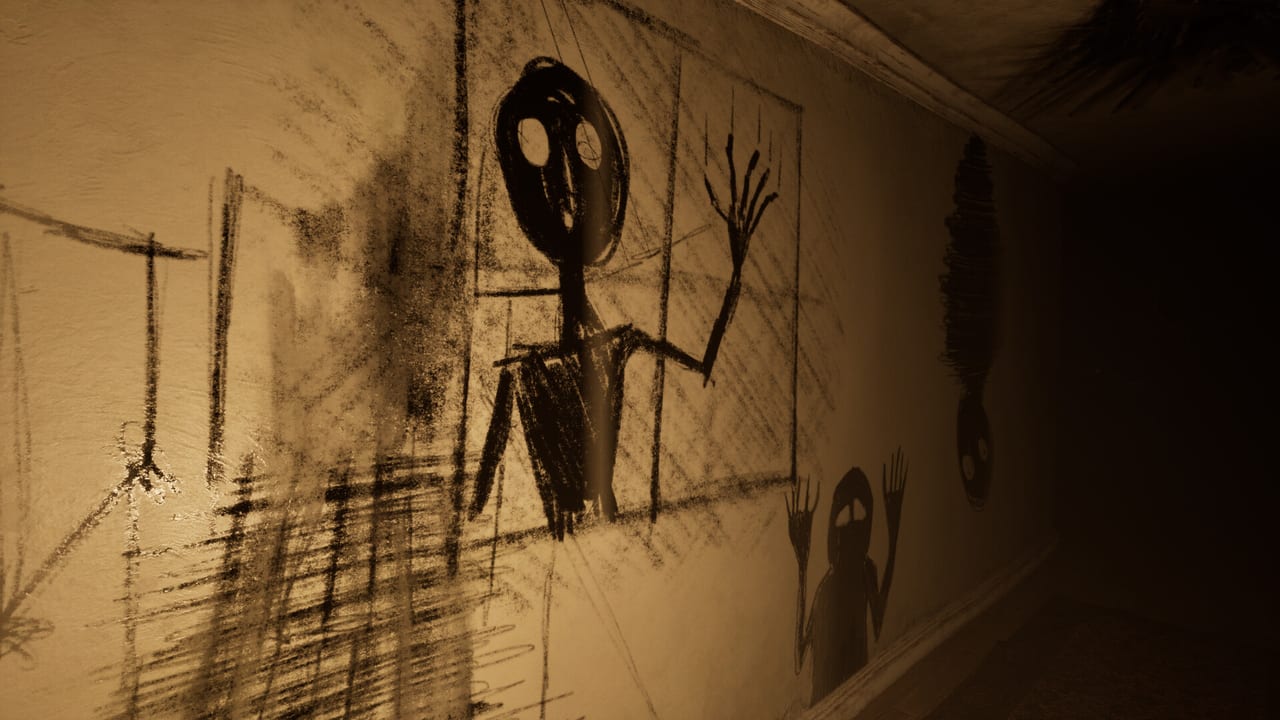
Reaching midnight in the cabin game is not a fail state. The game does not end when the clock hits 12. It enters the final escape sequence, and that sequence asks one question: can you reach the correct room before the Visitor catches the player pawn? Everything on this page is about that question.
Twisted Corridor’s Early Access build entered Steam on 27 August 2026. The final escape is where all the investigation work pays off or collapses. A group that identified the correct escape room reaches midnight with a target. A group that guessed reaches midnight with a prayer. The final sequence rewards preparation and punishes improvisation.
What the midnight transition actually does
When the clock track reaches midnight, the table phase ends. Players can no longer sit and draw cards. The game shifts to a first-person navigation challenge inside the cabin that was built during the table phase. The rooms, the connections, the dead ends — all of it becomes the terrain of the last few minutes.
The Visitor does not stop. The monster pawn is still on the track, and it is still chasing. The gap between the Visitor and the player pawn determines how much time you have to reach the correct room. A large gap gives you margin to move carefully. A small gap means you are running.
The correct room is not negotiable
The final escape requires you to enter the room that matches the evidence you gathered during investigation. You do not pick a room because it is nearby, because it has two doors, or because it is where you last saw the ghost. You enter the room that your notebook says is correct.
If you identified all three clues before midnight, the room should be unambiguous. If you identified two of three, you have a deduction to make between the rooms that fit the pattern. If you identified less than that, you are guessing, and the final sequence will expose guessing as the wrong strategy.
Entering the wrong room does not trigger a loss immediately. The game checks your position. If you are in a room that is not the correct escape, you have not escaped. You are standing in the wrong room while the Visitor closes in.
Reaching the room
The cabin you built is the terrain. Connected rooms with two-way paths are faster to navigate. Dead ends require backtracking. Long corridors that were fine for investigation become liabilities when the Visitor is moving fast.
The First Round Patch reduced chase speed and made Attic Stalker more forgiving. Those changes help the final sequence as much as they help mid-run Events. The patched chase speed means you have slightly more time to cross the map than players in the opening days of Early Access.
The Boo Factory does not help here. Cosmetics, lobby pets, and tricks ‘n treats purchased with candy are lobby features. They do not affect navigation speed, monster behaviour, or the identification of the correct room.
What success looks like
A successful escape ends when you enter the correct room during the final sequence. The room triggers the escape animation and the run concludes. The group that planned correctly, built a navigable cabin, and made it to the right room with the Visitor still behind them wins.
The win screen reflects the run: the clues you found, the players who survived, the time on the clock. There is no bonus for style, no extra reward for speed. The only metric is whether you were in the correct room when the sequence ended.
What failure looks like
Failure has two forms. The first is the Visitor catching the player pawn before you reach the correct room. This is the same as the overtime mechanic described on The Visitor page: the Visitor reaches your position and the run ends, regardless of which room you are in.
The second is entering the wrong room. If you reach a room you believe is the exit but the evidence says otherwise, the game does not correct you. You stand in the wrong room. The Visitor continues. When the gap closes, the run ends and you did not escape.
The social choice at the end
The game explicitly offers three outcomes for the final sequence: escape together, die together, or every player for themselves. This is a co-op mechanic with real consequences.
Escaping together means all surviving players reach the same correct room. The run ends for all of them simultaneously.
Dying together means if one player cannot reach the correct room in time, the others can choose to stop and wait rather than continue alone.
Every player for themselves suspends the co-op contract. Each player paths independently. One player reaching the correct room does not save another who chose the wrong room.
For the investigation system that makes the final sequence solvable, see Clues and Investigation. For how the Visitor interacts with the final sequence, see The Visitor. For the table mechanics that build toward midnight, see Table Rules.
Frequently Asked Questions
Quick answers about cards, clues, monsters, and escaping the cabin.
Does midnight end the run automatically?
No. Midnight starts the final escape sequence. The game shifts to first-person navigation and asks you to reach the correct escape room. The Visitor is still chasing on the track, which determines your time margin.
Can I enter any room during the final sequence?
You can enter any room. Only the correct escape room triggers a win. The wrong room does not end the sequence. You remain in that room while the Visitor continues to close the gap.
What if I did not identify all three clues before midnight?
You make a deduction with what you have. Two confirmed clues narrows the options. One confirmed clue is a guess. The final sequence punishes guessing, which is why investigation during the table phase is so important.
Does the final escape work differently in solo?
The mechanic is the same. The difference is that solo players have no one to call the path, no one to confirm the room, and no co-op choice between together, die together, or every player for themselves.
What is the co-op final choice about?
Escape together: all players reach the correct room. Die together: players can stop and wait rather than continue alone. Every player for themselves: each player paths independently, and one player's success does not save another.