
the cabin game The Graveyard Is Not a Discard Pile
Master the Card Pedestal's top surface to manage clue cards, control the active clue, and avoid losing your best evidence to a wipe.
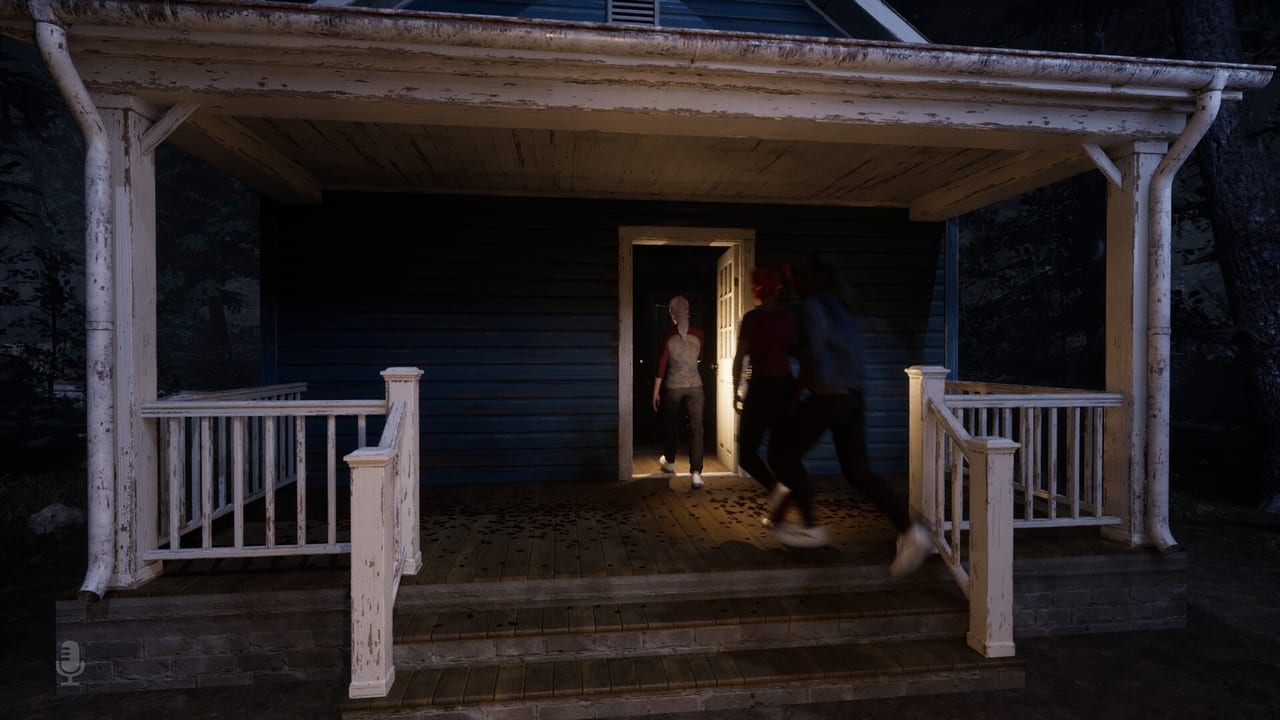
The Graveyard sits on the Card Pedestal — the rotating card holder facing each active player at the round table. It is the top surface where Clue Cards are placed after being drawn or recovered from the cabin. New players read the name and assume it is trash. That assumption kills more runs than almost any monster.
Twisted Corridor’s Early Access build entered Steam on 27 August 2026. The Graveyard is one of three key surfaces on the table: the Draw Slot where new cards appear, the Graveyard where Clue Cards accumulate, and the played cards visible around the table’s edge. Understanding how the Graveyard works — especially the active clue rule — is what separates groups that have a notebook full of confirmed leads from groups that reach midnight with three clues they are not sure about.
The active clue rule
Only the topmost Clue Card in the Graveyard is currently active. If multiple Clue Cards are stacked on the Graveyard surface, only the card on top is being checked against the cabin evidence. The cards underneath are not inactive in a permanent sense — they are waiting. But they are not the current question the game is asking you to investigate.
This has an immediate consequence: the order of the Graveyard matters as much as its contents. If you place a new Clue Card on top of an unresolved clue, you have buried the active clue under a new question. You can still come back to it — you can draw from the Graveyard instead of the Draw Slot at the start of your turn — but while that older clue is buried, you are not investigating it.
Drawing from the Graveyard
At the beginning of your turn, you have two choices: take the new card from the Draw Slot, or take a Clue Card from the Graveyard. You do not take both. The choice is exclusive.
Drawing from the Graveyard means taking the topmost Clue Card into your hand. When you do this, the card underneath becomes the new active clue. This is how you cycle through buried clues without playing a new Investigation Card.
The ability to draw from the Graveyard is a tool, not an obligation. Simply opening the Graveyard to inspect its contents does not force you to take a card. You can browse, decide you do not want the current top clue, and choose the Draw Slot instead. That freedom is important: sometimes the Draw Slot contains a card that moves your position on the track, and the Graveyard’s top clue is something you cannot investigate in the current cabin layout.
Graveyard Wipe
Some cards can wipe the Graveyard. When a Graveyard Wipe fires, all Clue Cards on the Graveyard surface are removed from play entirely. They do not go to a discard pile. They disappear.
This matters because Clue Cards on the Graveyard are your investigation progress. If you have spent several turns building a picture of which clues are present and which rooms they appear in, a Graveyard Wipe can erase that work in a single card effect.
The counter is simple: if you have an important Clue Card on the Graveyard and you are uncertain whether a Wipe is coming, take it into your hand before the Wipe resolves. A Clue Card in your hand is safe. A Clue Card on the Graveyard is exposed.
This is also why the Graveyard should not be treated as a permanent record. It is a working surface. Your notebook is the permanent record. The Graveyard is the table space where cards wait to be worked on or buried.
Graveyard strategy
Three practical habits for the Graveyard:
First, check the Graveyard before every draw decision. The Draw Slot is not always better than the top Graveyard clue. If the top Graveyard clue matches a room you have already searched, taking it into your hand and revealing the next clue may be more valuable than gambling on the Draw Slot.
Second, watch for burial patterns. If you keep placing new Clue Cards on top of an unresolved clue, that clue stays buried. Make a deliberate decision to either investigate the current top clue or take it into your hand before adding more cards.
Third, treat important Clue Cards as hand cards, not Graveyard cards. If you have confirmed a clue that narrows the escape room to two options, keeping that card in your hand means a Graveyard Wipe cannot erase it. The cost is one card slot in your hand. The benefit is insurance against losing critical investigation work.
For the full investigation system, see Clues and Investigation. For how clues map to escape rooms, see How to Escape. For the Card Pedestal and turn structure, see Table Rules.
Frequently Asked Questions
Quick answers about cards, clues, monsters, and escaping the cabin.
What is the Graveyard in the cabin game?
The Graveyard is the top surface of the Card Pedestal where Clue Cards are placed. It is not a discard pile. Only the topmost Clue Card on the Graveyard is currently active and being investigated.
Can I look at the Graveyard without taking a card?
Yes. Opening the Graveyard to inspect its contents does not force you to take a card. You can browse, then choose the Draw Slot instead if the new card is more useful in the current situation.
What is a Graveyard Wipe?
A Graveyard Wipe is a card effect that removes all Clue Cards from the Graveyard. They disappear rather than going to a discard pile. If you have critical clues on the Graveyard, taking them into your hand protects them from a Wipe.
How do I cycle through buried clues?
Take the topmost Clue Card from the Graveyard into your hand at the start of your turn. This reveals the card underneath as the new active clue. You can also play Investigation Cards to add new clues, which may bury the current top clue further.
Should I keep important clues on the Graveyard or in my hand?
In your hand, if you are concerned about a Graveyard Wipe. A Clue Card in your hand is safe. A Clue Card on the Graveyard is exposed. The cost is one hand slot; the benefit is insurance against losing confirmed investigation work.