
the cabin game Best Cards to Play First
A cheat sheet for card priority in The Cabin Game Early Access: investigation wins runs, lifesavers buy time, events are interruptions.
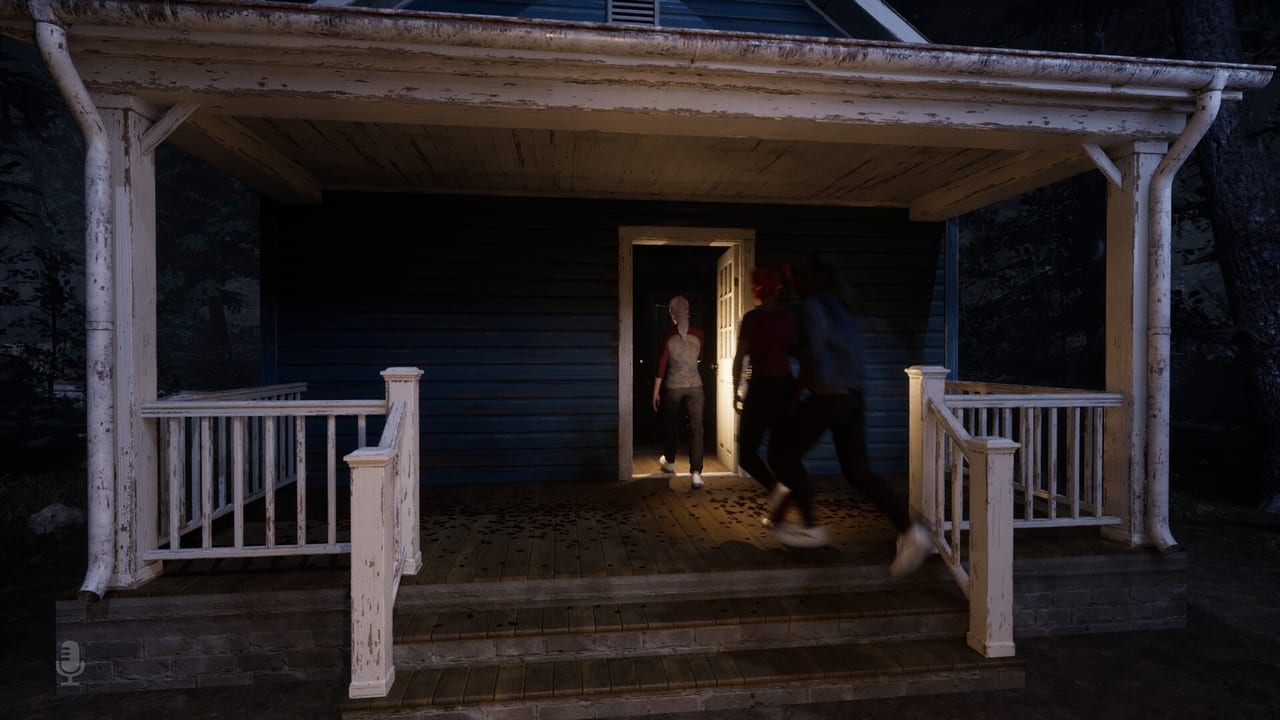
The cabin game gives you a shuffled hand every turn. The shuffle means no single card is the answer to every run — but the order in which you play the cards you are dealt is the difference between a clean escape and a 12-o-clock wipe. After 200+ Early Access sessions through the end of August 2026, the priority is consistent enough to put on one page.
This is a summary cheat sheet. Each card type has its own deep-dive on the Cards Hub. For the underlying logic that ties card priority to the clock track and the Visitor, see the Visitor guide. For the late-game execution once you have identified the exit, see How to Escape.
The short version
If you read nothing else, read this list in order:
- Investigation Cards — first, always, unless your hand is empty of them.
- Room Cards — second, to build the connected cabin that makes investigation possible.
- Progress Cards — third, to move the shared player pawn toward midnight and win the run.
- Lifesaver Cards — fourth, only when the Visitor pawn is one segment from the player pawn.
- Event Cards — last, treated as interruptions that you would rather not draw.
The reason for this order is the relationship between the round table clock and the Visitor pawn on the clock track. Investigation wins the run by identifying the exit room. Room Cards give you a place to actually search. Progress Cards advance the player pawn toward the goal. Lifesaver Cards are emergency reverse-gear when the gap collapses. Event Cards are 3D minigames that cost you time on the table and reward you with — at best — stopping the Visitor’s advance. The asymmetry is the whole game.
Why Investigation Cards come first
Investigation Cards seed evidence in the rooms you placed. Each card, once played, requires you to stand up and walk a room to see whether the object the clue refers to is present. The pattern of presence and absence is what eventually tells you which escape room is safe. Without that pattern, no other card type can save you, because the late game requires you to enter the correct room before the clock strikes midnight.
This is also why Investigation Cards outrank Progress Cards in priority even though Progress Cards literally move you toward the goal. Progress without identification is motion toward a door you cannot name. The escape room exists in your floor plan only because your notebook confirms it. A Progress Card played before the notebook is filled trades a real chance of escape for the illusion of momentum.
The detail on every Investigation Card mechanic — object-dependent clues, absence as data, the grandfather clock pattern — lives on the Investigation Cards page.
Why Room Cards come second
You cannot investigate what is not built. Room Cards are the cards that snap a room onto the cabin floor plan during the table phase. A first-hand play of three to four Room Cards usually produces a connected loop the group can actually search in under a minute. A pretty-but-dead-end layout, by contrast, costs you search time and turns the 3D chase minigames into unavoidable fights.
The trap is over-building. Players with a strong Room Card hand lay twelve rooms in two turns and then have no Investigation Cards left for the rest of the run. The right move is to build a connected loop of four to six rooms in your first two hands, then spend every hand after that on investigation unless the Visitor is closing. The deep pattern for that loop is on the Room Layout page.
Why Progress Cards come third
Progress Cards move the shared player pawn forward on the clock track toward midnight. They are the cards that actually advance the win condition. The catch is that midnight is the lose condition if you have not yet identified the escape room. A Progress Card played at 8 o’clock with an empty notebook is a card that turns your probable lose into a definite lose.
Use Progress Cards after the notebook has narrowed the candidate exits to one or two rooms. That is when they earn their slot. The clock will still reach midnight, but reaching midnight in the correct room is the win state. The role of every Progress Card is covered on the Progress Cards page.
Why Lifesaver Cards come fourth
Lifesaver Cards push the Visitor pawn backward along the clock track. They do not move the player pawn. They buy you distance — one, two, sometimes three segments of gap restoration. The skill is using them preventively, not reactively. Playing a Lifesaver when the Visitor is one segment away is a clutch save. Playing one when the gap is already large is wasted tempo that an Investigation Card could have used.
If your hand contains both a Lifesaver and an Investigation Card and the gap is comfortable, play the Investigation Card. If the gap is about to close, play the Lifesaver first and the Investigation Card next turn. The full mechanic, with examples for solo and co-op, is on the Lifesaver Cards page.
Why Event Cards come last
Event Cards are interruptions. They pull you out of the table rhythm and into a 3D minigame inside the cabin you built. The threat inside the Event is usually an entity that hunts you in first person. The consequence of losing is measured on the clock track: the Visitor advances, and eliminated players add hours to the clock.
Winning an Event usually does not push the Visitor back. It stops the advance. The asymmetry is why the Cards Hub ranks Event Cards below everything else. There are runs where skipping an Event is the right play, even if the card is on the top of your draw pile. The trade-off is real: skipping an Event usually costs you a small clock advance, but playing it can cost you an entire run.
The two specific Event Card minigames that have a wiki page each — Feeling Small and Sick of Being Dead — show the pattern: a 3D minigame with a clear win condition, where failing has consequences on the clock track. Treat every other Event Card the same way.
Card priority by game phase
The order above is the default. It shifts slightly depending on the game phase:
- First hand (8 to 9 o’clock): Room Cards and Investigation Cards only. Build a loop, then search it. Progress Cards waste the early window.
- Mid-game (9 to 10 o’clock): Investigation Cards first, Progress Cards second, Lifesaver Cards only if the gap is closing. Room Cards rarely at this stage unless the cabin is genuinely broken.
- Late game (10 to 11 o’clock): Progress Cards first, Lifesaver Cards only if needed, Investigation Cards only if the notebook still has two candidates. Skip Events.
- Final hour (11 to 12 o’clock): Progress Cards mandatory if you have identified the exit. Lifesaver if the gap is gone. No investigation. No events.
The phase structure is a recommendation, not a rule. Some runs force an Event Card in the final hour because the shuffle dealt it. The point of the phase structure is that you have a default, so when the shuffle gives you a weird hand you know which rule to break.
When you have no good cards
Sometimes your hand is three Lifesavers and an Event. This is the moment to play the Event Card while the clock is still early. Losing an Event in the first hour costs you less than losing one in the final hour. The rule is: spend bad cards early. The Visitor and the clock do not get easier as the game progresses.
For the full breakdown of every card type, follow the Cards Hub links. For the moment-to-moment decision at the table, the Table Rules page covers the sit/stand rhythm and the round-table turn order that every card priority assumes.
Frequently Asked Questions
Quick answers about cards, clues, monsters, and escaping the cabin.
What are the best cards to play first in The Cabin Game?
Investigation Cards first, then Room Cards, then Progress Cards, then Lifesaver Cards when the gap is closing, and Event Cards only when forced. The order matters because investigation identifies the exit and every other card type depends on knowing which room to escape through.
Should I play Progress Cards before identifying the exit?
No. Progress Cards move the player pawn toward midnight, but reaching midnight in the wrong room is a loss. Spend the early hands on investigation and room layout, then switch to Progress Cards once your notebook has narrowed the candidate exits.
Are Event Cards worth playing?
Only when forced. Event Cards are 3D minigames that cost you table time. Winning usually stops the Visitor's advance but does not push it back. The asymmetry is why Event Cards rank below everything else in card priority.
When should I use a Lifesaver Card?
When the Visitor pawn is one segment from the player pawn. Playing Lifesavers preventively restores a closing gap. Playing them when the gap is already large wastes tempo that an Investigation Card could have used.
How many Room Cards should I play first?
Build a connected loop of four to six rooms in your first two hands. Over-building leaves you with no investigation cards. The detail is on the Room Layout page.
Does card priority change in co-op?
The order is the same. Co-op lets you split investigation across players, which means more Room Cards and Investigation Cards get played per round. The shared clock and Visitor mean the same defensive rules still apply. See Co-op.