
the cabin game Room Cards
The Cellar, the Living Room, the Kitchen, the Farmer's Ranch, the Garden Shed, and the hallways you snap them into — and why the cute Cellar at 2 o'clock becomes a coffin at 11.
Room Cards are the cards that build the cabin. Every hand you are dealt contains a mix of Room Cards, Event Cards, Investigation Cards, Lifesaver Cards, Progress Cards, and Time-skip cards, and the room cards are the only ones that change the floor plan. You play them at the table, snap them onto an existing room, and the door on the new card must connect to a door on the card already on the table. If it does not connect, the cabin game refuses the play. That single rule is the entire layout system.
This page is the dedicated entry for Room Cards on the Cards Hub. The full deck and priority order are on card types. The events that arrive in the same hand are on event cards. The investigation that gives rooms meaning is on investigation cards. And the way to think about which rooms go where is on room layout.
What a Room Card actually does
When you play a Room Card at the table, the cabin game adds a new room to the floor plan and snaps it onto the existing rooms by the door markings on the card. Each Room Card declares one to two doors. Doors must connect. A Room Card with two doors can be placed between two existing rooms. A Room Card with one door must be placed adjacent to an existing room that has a free door.
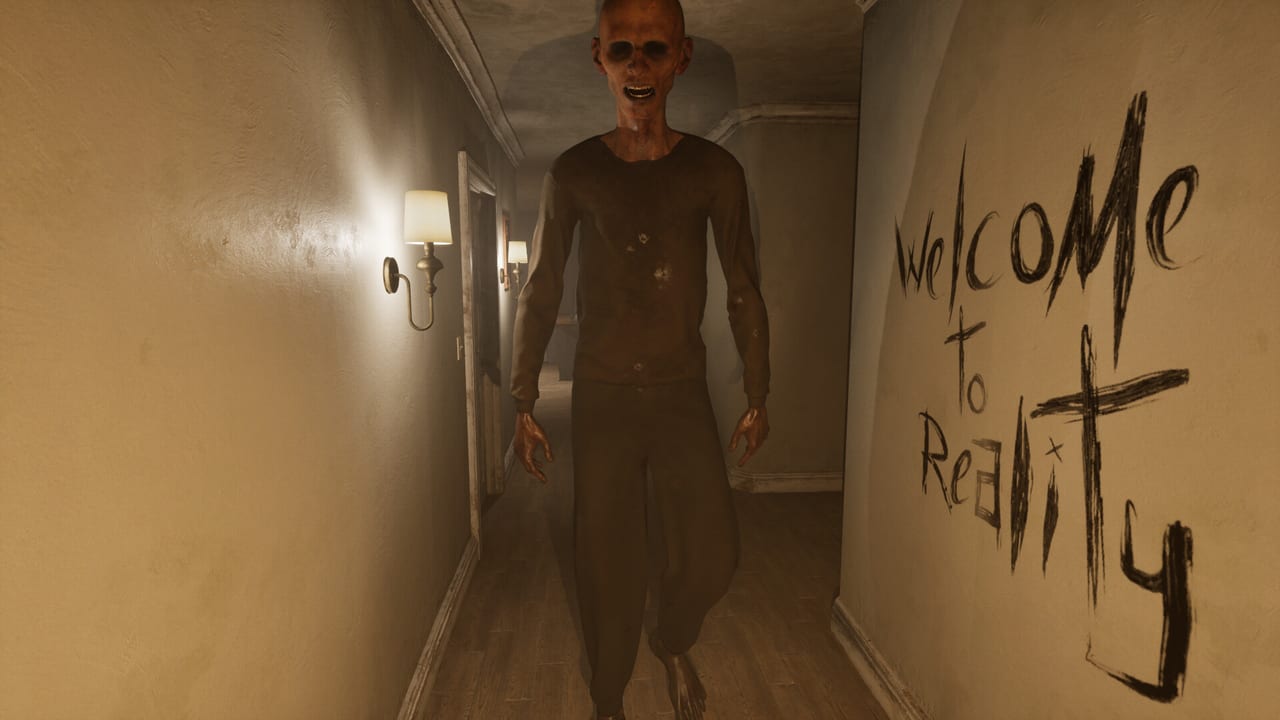
The room comes with objects. The Cellar has barrels. The Living Room has a sofa. The Kitchen has a fridge. The Farmer’s Ranch has tools. The Garden Shed has a hook and a scythe. Hallways have lamps and a wall of “Welcome to Reality” graffiti in the current build. These objects are the targets of Investigation Cards, and the room placement is what makes those clues resolve or non-resolve.
The room does not move the clock pawn or the monster pawn on its own. A Room Card is pure space: it builds the cabin you walk, search, and run through. The clock only moves when Progress Cards push the monster pawn or Lifesaver Cards shove it back. Time-skip cards jump the clock itself.
The rooms in the current build
The Early Access build ships a known set of Room Cards. Twisted Corridor has not published a fixed catalog, but the cards players can name from screenshots, patch notes, and the clues and investigation guide include:
- The Cellar. Barrels and cold air. The clue about barrels always resolves here. Single-door in the current build.
- The Living Room. Sofa and grandfather clock. Clues about ticking, seating, or family life resolve here.
- The Kitchen. Fridge and cooking utensils. Clues about cold storage or food resolve here.
- The Farmer’s Ranch. Tools and outdoor detritus. Clues about hand tools, plows, or animals resolve here.
- The Garden Shed. Hook and scythe. Clues about gardening or sharp implements resolve here.
- The Dining Room. Wall clock on 12. The 2nd wave of bug fixes printed “Dining Room” on the table as the starting room. Clues about a wall clock that has stopped at 12 resolve here.
- Hallways. Lamps, two doors, and the “Welcome to Reality” wall. Hallways are connectors and chokepoints. Place them as loops, not dead ends.
The set is not closed. The roadmap calls out more Event Card types and unique Progress Cards, but new Room Card types have not been promised by name. Treat the list above as a working set for the current Early Access pass, not a finished catalog.
Why room cards come first
You cannot investigate a room you have not placed. A first-night group that opens with three Investigation Cards and one Room Card ends the night with three riddles and no home for them. The Cards Hub puts Room Cards above Investigation Cards on purpose: investigate is a tool, room is the tool’s toolbox.
Practical opening hand order:
- Play Room Cards first. Two rooms that already share a door are a fine opening (Living Room plus Kitchen is a common start).
- Place hallways between connected rooms. A loop beats a long corridor.
- Then play Investigation Cards. Aim for clues that point at objects in rooms you have already placed.
- Hold Event Cards until you understand them.
- Spend Lifesaver Cards only when the monster pawn is one sector from tagging you.
- Time-skip cards are last.
This order is the entire point of the Cards Hub. Treat it as a working priority list, not a finished competitive bible.
Door rules and what stops a play
Every Room Card has door markings. The cabin game checks two things when you play a room:
- Connectivity. At least one door on the new card must align with a door on an existing room or hallway.
- Geometry. The card cannot be placed in a way that overlaps an existing room. The cabin game previews the placement on the table before you commit.
If the new card would form a dead-end branch (no way to reach another room without doubling back), the play still succeeds, but the layout becomes weaker. Dead ends are kill boxes for Attic stalker chases and for any Event Card that spawns a monster in the wing. The room layout page covers the rules of thumb; the short version is: place rooms as rings, not as spokes.
Late-game consequences of early placement
The cabin game punishes pretty dead ends. A The Cellar you placed at 2 o’clock because it felt cute is a coffin at 11, because by then an Event Card has spawned a monster in the far wing and the only path back to the table runs through the hallway you made too narrow. The early-session rule is short: connect, then connect again. The late-session rule is the same: you do not have time to fix a layout you built badly at minute five.
Three late-game consequences to plan for now:
- Chase kiting. When a monster spawns in a wing, you need a loop to kite through. A loop is two hallways connecting the same two rooms. A spoke is one hallway leading to a dead end. Kiting a chase on a spoke is how solo runs lose.
- Investigation distance. The further your Investigation Card room is from the table, the longer the round trip. The Cellar placed three rooms deep costs two turns in solo. The same clue resolved two rooms from the table costs one turn.
- Door count. Rooms with two doors are flexible placement. Rooms with one door force branching. The current build leans toward one-door rooms; place them as the leaves of a loop, not as the start of a corridor.
The four-leaf clover minigame on a Progress Card variant is a separate problem. The four-leaf clover spawns a guess-heavy minigame and there is no card that protects you from rolling badly on it. The progress cards page covers what to do when one hits the table.
Room cards in solo play
Solo runs collapse four roles into one body. Room Cards are still the highest priority, but the placement matters even more, because every hallway you add has to be walked twice (once to search, once to return).
Two rules of thumb for solo placement:
- Cluster. Place rooms in a tight ring with short spurs. The walking distance between rooms determines how often the clock can tick while you are standing up.
- Skip dead ends. A hallway with one free door is a future problem. A hallway with two free doors is future flexibility. In solo, dead ends are how solo runs lose to a hallway chase they cannot kite.
The deeper solo trade-offs are on solo. The short version is: in solo, place rooms tighter than you would in co-op, because every step costs a turn.
Room cards and the Boo Factory
Candy earned during play spends at the Boo Factory for cosmetics, lobby pets, and tricks ‘n treats. None of those items change Room Cards or how they snap together. A new lobby pet does not add a door to The Cellar. A treat does not bend a hallway. The Boo Factory is the social layer; the room cards are the structural layer. Do not confuse them, especially on a learning run.
A short list of small wins
- Place connecting rooms first. Two rooms with a shared door is a fine opening.
- Treat hallways as loops, not spokes. A two-door hallway is more flexible than a one-door hallway.
- Stop expanding when the walkable graph is a ring with short spurs. Extra rooms past that point are extra event stages.
- Log every room you place in the clue notebook. The room is what makes the clue resolve.
- Skip the four-leaf clover minigame if you can. There is no card that protects you from a bad roll.
If you only remember one rule, remember connect, then connect again. Everything else on this wiki is that rule applied under pressure.
Frequently Asked Questions
Quick answers about cards, clues, monsters, and escaping the cabin.
Do Room Cards move the clock pawn?
No. Room Cards are pure space. They build the cabin you walk, search, and run through. The clock only moves when Progress Cards and Lifesaver Cards are played. Time-skip cards jump the clock itself.
Can I place a Room Card with no free doors?
No. The cabin game rejects the play. Every Room Card must align at least one door with an existing room or hallway. A Room Card with two doors can be placed between two existing rooms. A Room Card with one door must be placed adjacent to a free door.
What rooms are in the Early Access build?
Players can name The Cellar, The Living Room, The Kitchen, The Farmer's Ranch, The Garden Shed, The Dining Room (printed as the starting room after the 2nd wave of bug fixes), and hallways. Twisted Corridor has not published a fixed catalog, and new Room Card types are not on the current roadmap.
What is the worst room placement?
A dead-end Cellar placed deep in a spoke. The cute Cellar at 2 o'clock is a coffin at 11, because by then an Event Card has spawned a monster in the far wing and the only path back to the table runs through the hallway you made too narrow. Place rooms as rings, not as spokes.
Does the Boo Factory add new Room Cards?
No. Candy spent at the Boo Factory buys cosmetics, lobby pets, and tricks 'n treats. None of those items change Room Cards or how they snap together. The Boo Factory is the social layer; the room cards are the structural layer.
Where should I go after this page?
Card types for the full deck and priority, investigation cards for the clues that make rooms matter, room layout for the rules of thumb on placement, and getting started for the first session.