
the cabin game Card Jobs and Turn Structure
Room, Event, Lifesaver, Investigation, Progress, and Time-skip — what each one does and when to play it.
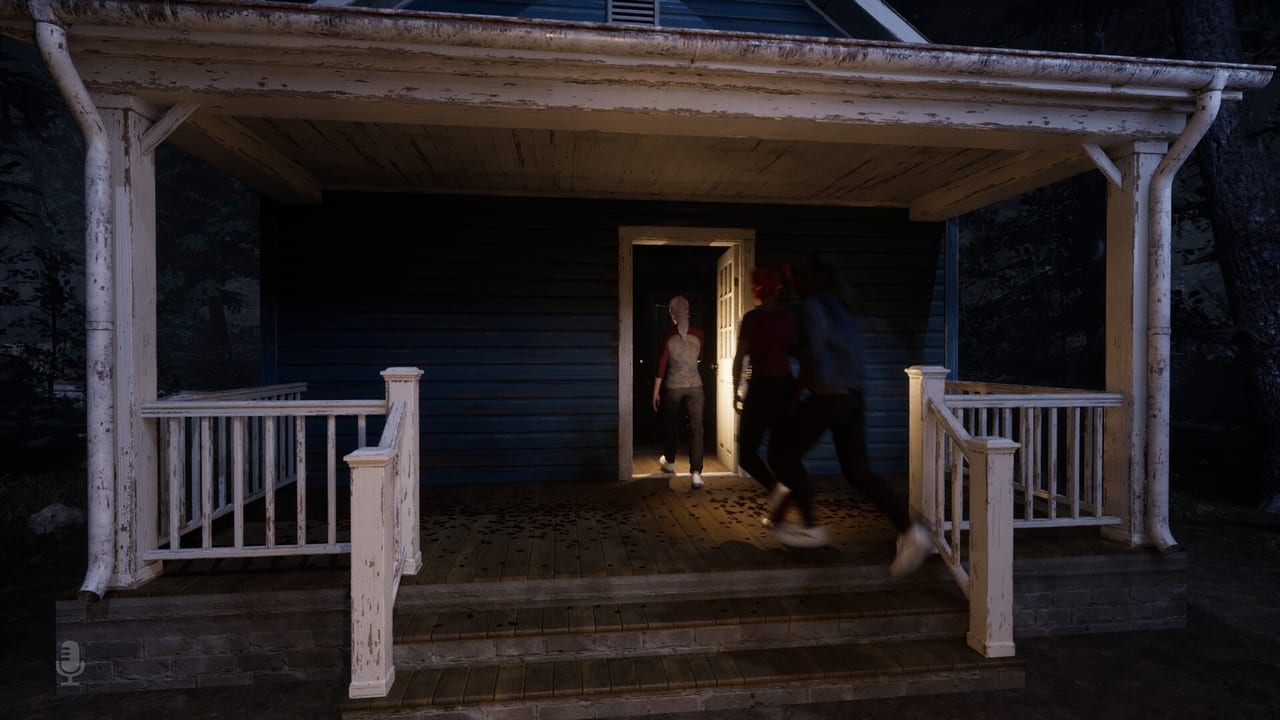
The round table is a shared decision engine. Every turn, one player plays a card and the cabin responds. The card you choose reshapes the floor plan, the clock, the monster position, or the evidence state. Choosing wrong is not a flavor mistake — it is a clock tax or a chase tax. This page maps what each card type does and the priority order for using them in the current Early Access build as of September 2026.
Twisted Corridor’s Early Access build entered 27 August 2026 on Steam Windows with 30+ cards and 12 monsters. The studio is targeting a 6–8 month Early Access window. More cards are the point. What follows is the current card job breakdown, not a complete catalogue.
For the room-building logic that makes the table playable, see Room Layout. For individual card rankings, see Card Types. For how Events interrupt the table, see Survive Events.
The six card jobs
Room Cards
Room Cards place actual rooms in the cabin: The Cellar, The Living Room, The Kitchen, The Farmer’s Ranch, The Garden Shed, hallways, and more. The Dining Room is the starting room — the 2nd wave of bug fixes printed that on the table.
Room Cards must connect. A room you place in a dead-end at 2 o’clock is where an Event Card will park a chase at 10 o’clock. Build loops, not pretty isolated wings.
Priority: first in a new lobby and whenever the cabin is not yet searchable. Do not hoard Room Cards hoping for a perfect floor plan. A small connected cabin you can search in thirty seconds beats a sprawling house you cannot finish before an Event Card drops a chase in the far wing.
Event Cards
Event Cards spawn a monster, a minigame, or a rule that did not exist ten seconds ago. They pull everyone out of their chairs and into first-person mode. Losing pulls the ghost closer on the clock track. Winning often has no reward.
The current verified Event list includes: Attic Stalker, Musical Rooms, Neighbour, Cutting Corner, The Knight, Feeling Small, Sick of Being Dead, Paranormal Alteration, and more. See Event Cards for the danger/readability ranking and Survive Events for the survival method.
Priority: last, and only when the cabin is already searchable and the notebook is not empty. Greeding an Event Card on a blank clue notebook is how groups donate Progress to the monster pawn while learning nothing.
Lifesaver Cards
Lifesaver Cards shove the monster pawn back on the clock track. They are the undo button on the only fail state you can actually counter.
Priority: when the monster pawn is one sector from catching you, not because a hallway felt spooky. Watch both pawns. When the monster is close, a Lifesaver is the play, not a Room Card, not an Event Card.
Investigation Cards
Investigation Cards seed evidence in the rooms you placed. They are the only card type that answers the actual win condition — which room is safe to leave through.
Evidence is object-dependent. If a room contains a grandfather clock, a clue about clocks can fire there. If the room does not have that object, the clue does not fire. Presence and absence both go in the Clue Notebook. A blank search is a negative, not a failure.
Priority: second, after the cabin has at least two connected rooms you can actually search. Spam investigation once the floor plan is walkable. Do not wait until Event Cards own the hallways.
Progress Cards
Progress Cards advance the monster pawn on the clock track. They push the threat forward, shortening the time available for investigation.
Priority: situational. The studio has acknowledged that some early players treated these as “free” plays without understanding the cost. Read the card. If advancing the monster helps your position (for example, if a delay mechanic is active), play it intentionally. If it does not help, it still burns a turn and pushes the fail state closer.
Time-skip Cards
Time-skip Cards burn clock without directly advancing the monster — but they do not prevent the monster from advancing on its own during those skipped turns. Solo players report seeing too many time-skip cards and sliding into two-hour runs that still lose.
Priority: last resort. If you must skip to avoid a specific Event Card you already understand and can survive, the math might work. But time-skips inflate solo length, do not teach you the minigame, and do not delete the Event from future shuffles.
Turn structure
- Start your turn. Patch 5 fixes the “cannot start turn” freeze — if the button hides, press T.
- Watch both pawns. Is the monster pawn close? Play a Lifesaver first.
- Check the cabin state. Are rooms connected? Place Room Cards if not.
- Check the notebook. Is it empty? Play Investigation Cards.
- Evaluate Events. Do you understand this Event? Is the floor plan ready? Only then consider an Event Card.
- Play the card. Stand up if the card requires it.
- Log the result. Write one line in the Clue Notebook before the next turn starts.
The graveyard rule
The current in-game tip says you can take a clue from the clue deposit (Graveyard) instead of pulling a new card from the eject. The manual adds the important detail: only the top clue is checked every turn.
That means a clue can appear to “do nothing” for several perfectly normal reasons:
- it is not the top graveyard clue yet;
- the relevant room is not present in the cabin;
- the group is looking for the wrong visual form of the clue;
- an Event has changed or wiped the graveyard state.
Do not mark a clue as false just because the first room search produced nothing.
Card priority summary
| Situation | Play | Why |
|---|---|---|
| Cabin not connected | Room Card | Searchable terrain first |
| Monster pawn close | Lifesaver | Only counter to the pawn fail state |
| Notebook empty | Investigation Card | Names the escape room |
| Cabin connected, notebook full, monster not close | Event Card (understood) | Only if you know the minigame |
| Must skip a turn | Time-skip | Last resort; does not delete the Event |
| No urgent situation | Room or Investigation | Keep the cabin buildable and the notebook filling |
What the First Round and later patches changed
The First Round Patch (Aug. 28) made Attic Stalker more forgiving, fixed totem dropping, improved monkey collision, adjusted popcorn balls, added an FPS cap, unstuck some AI, and reduced chase speed. The 2nd wave (Aug. 29) shortened The Knight turn length, fixed Feeling Small’s toy, attic ladder binds, and basement breakers. The September patches continued tuning. Old video guides that show different behavior for these events are stale on the current build.
After the card resolves
Sit down. Check both pawns. Write one sentence in the Clue Notebook. If the monster pawn is now closer, evaluate a Lifesaver. Then go back to the priority order above.
The table is not a spectator sport. Every card reshapes the cabin or the clock. Playing the right card in the right order is how four strangers leave the same building before midnight.
Frequently Asked Questions
Quick answers about cards, clues, monsters, and escaping the cabin.
What should I play first in a new lobby?
Room Cards. The cabin must be searchable before Investigation Cards can do anything. The Dining Room is the starting room — place connected rooms from there.
When should I play a Lifesaver Card?
When the monster pawn on the clock track is one sector from catching you. Watch both pawns every turn. A Lifesaver is the only counter to the pawn fail state — do not spend it on a spooky feeling.
Can I skip Events with a time-skip card?
No. Time-skip burns clock but does not delete the Event from the deck. You will draw it again on a later shuffle, usually at a worse hour. Only skip as a last resort.
Why does my clue appear to do nothing?
Only the top clue in the graveyard is checked each turn. If your clue is not on top, or the relevant room is not in the cabin, or an Event wiped the state, it will not fire. Record negatives as data, not failures.
What did the patches change about cards?
First Round made Attic more forgiving and fixed totem dropping. 2nd wave shortened The Knight turn. September patches continued tuning. Old clips showing different behavior are stale on the current build.
Is there a complete list of all cards?
No. Early Access has 30+ cards with more planned. This page describes card jobs, not a complete catalogue. See Card Types for the ranking of known cards by type.